Mexican Huaraches: A Timeless Symbol of Culture, Craft, and Connection
When we think about fashion and footwear around the world, we often focus on modern trends, high-end brands, and the latest designs coming out of fashion capitals like Paris, Milan, or New York. But some of the most meaningful and enduring footwear in human history has nothing to do with runways or luxury labels. Instead, it comes from the hands of skilled artisans, from traditions passed down through generations, and from a deep connection between people and the land they walk on. Mexican Huaraches are a perfect example of this kind of timeless, meaningful footwear. These humble yet beautifully crafted sandals tell a story that goes far beyond fashion — a story of culture, identity, survival, and artistry that stretches back centuries.
What Are Huaraches?
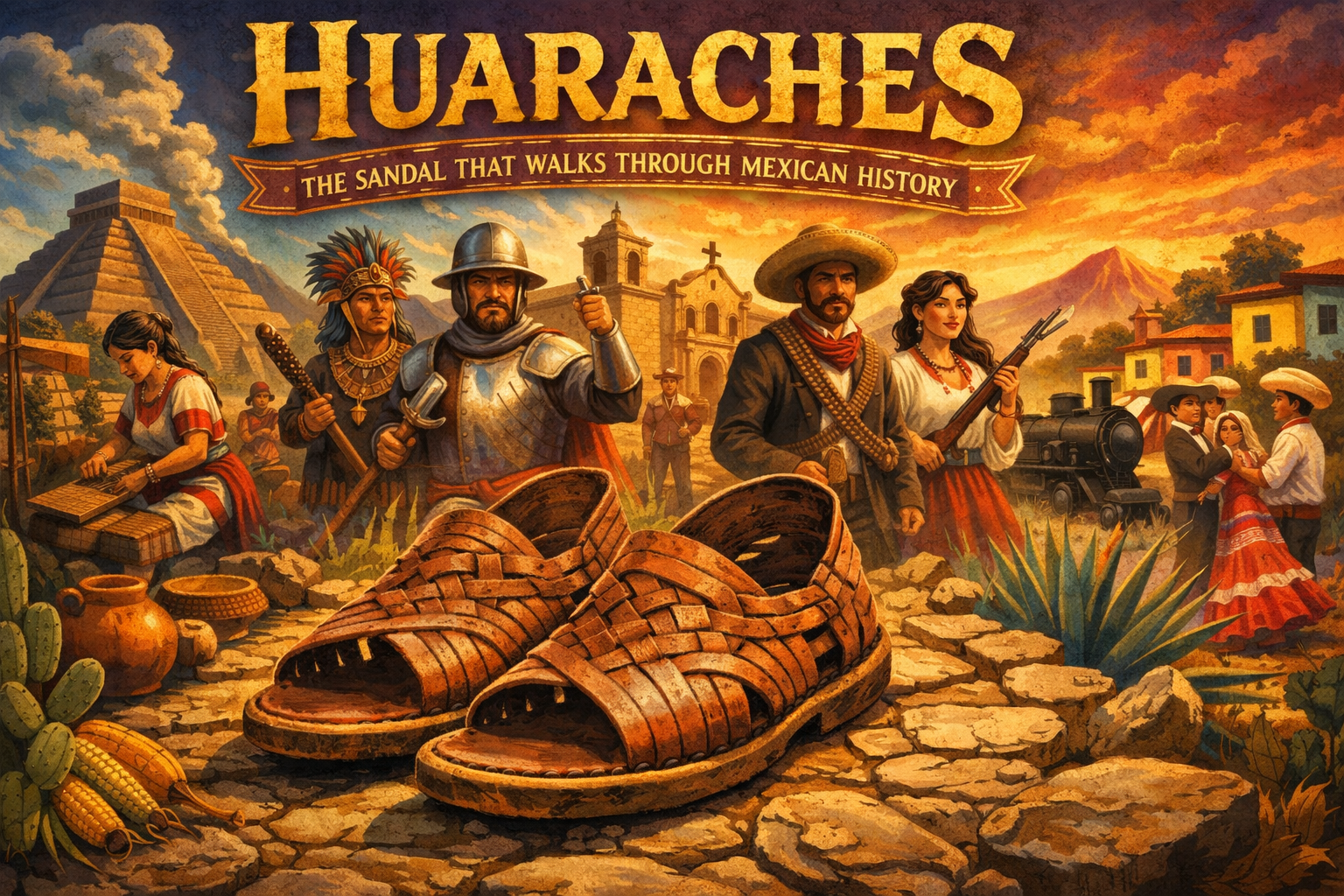
At their most basic, huaraches are sandals. But to describe them simply as sandals would be doing them a great disservice. These are handcrafted pieces of wearable art, traditionally made from woven leather straps that are carefully interlaced to create a sturdy yet flexible sole and upper. The word “huarache” itself comes from the Purépecha language, an indigenous language spoken by the Purépecha people of the Michoacán region in Mexico. This alone tells us something important — these sandals did not emerge from commercial manufacturing or mass production. They were born out of a living, breathing indigenous culture with its own language, traditions, and way of seeing the world.
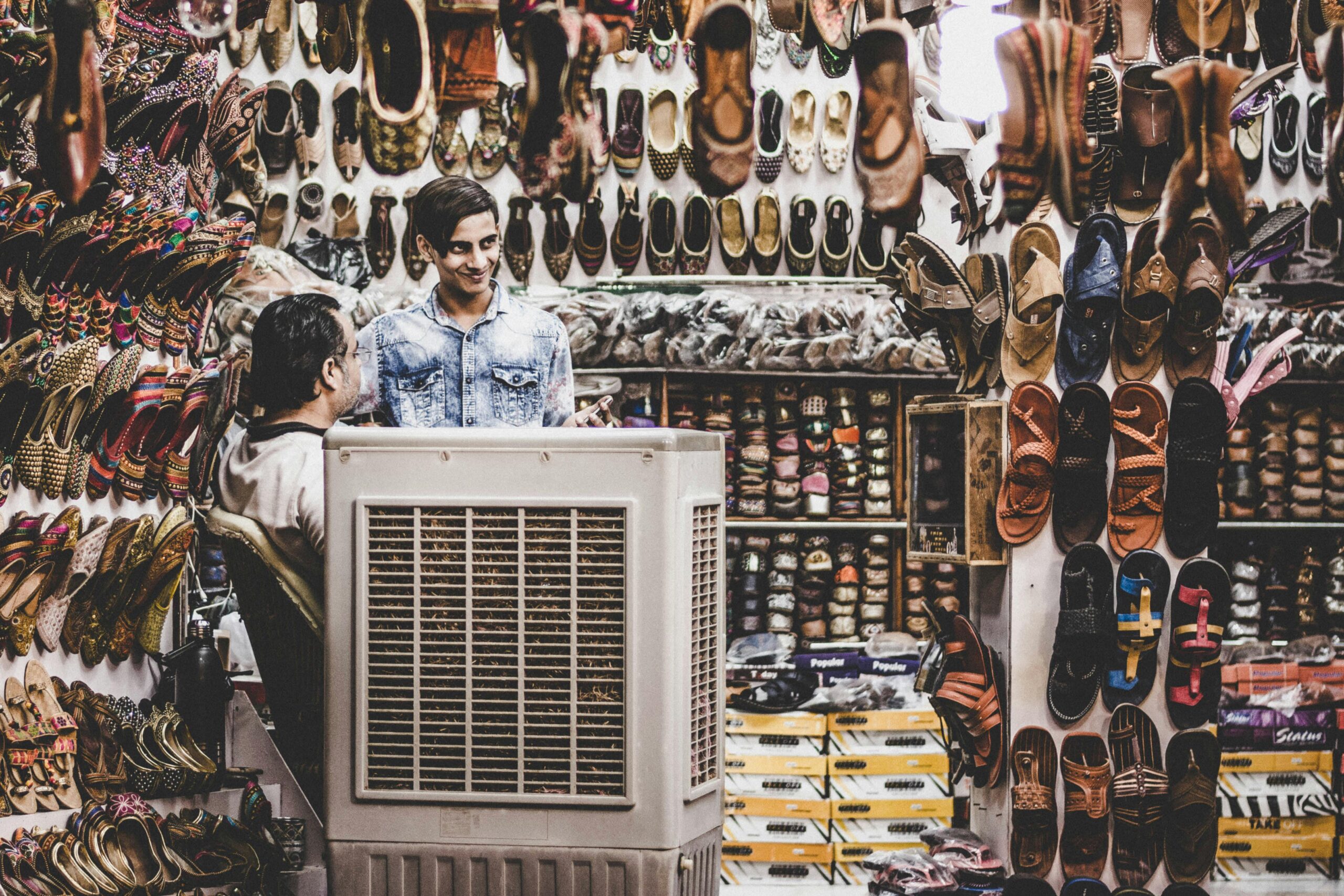
The construction of huaraches is a craft that requires skill, patience, and a deep understanding of materials. Artisans carefully select leather straps, weaving and lacing them together in patterns that vary from region to region and from maker to maker. Some huaraches are simple and straightforward in design, while others feature intricate weaving patterns that showcase the incredible talent of the craftsperson behind them. Despite these variations, all huaraches share the same core qualities — they are lightweight, comfortable, and built to last.
Designed for the Way People Actually Live
One of the most remarkable things about huaraches is how perfectly they are suited to real, everyday human life. Unlike many modern shoes that prioritize appearance over function, huaraches were designed with practicality at their core. They are light enough to wear all day without causing fatigue, yet durable enough to withstand the demands of long walks across varied terrain. For the rural communities and indigenous populations who have worn them for centuries, this combination of comfort and durability was not a luxury — it was a necessity.
Think about the kind of life that many indigenous and rural Mexican communities have historically lived. Long days working in the fields, walking across uneven ground, traveling on foot between villages — these are the conditions that huaraches were built for. They provide just enough protection for the feet while also allowing them to breathe and move naturally. In many ways, huaraches represent an early understanding of what we might today call ergonomic or barefoot footwear — footwear that works with the natural shape and movement of the foot rather than against it.
This functionality is a direct reflection of the values and philosophy of the cultures that created them. Indigenous Mexican communities have long maintained a deep respect for nature and a commitment to living in harmony with the natural world. Their footwear reflects this perfectly — simple, natural materials, minimal intervention, maximum effectiveness. There is a quiet wisdom in the design of huaraches that speaks to a way of living that modern society is only now beginning to rediscover.
A Symbol of Mexican Craftsmanship
Beyond their practical qualities, huaraches hold a special place as a symbol of Mexican craftsmanship and artisanal skill. Mexico has a rich and incredibly diverse tradition of handmade goods — from pottery and textiles to jewelry and woodwork — and huaraches sit proudly within this tradition. Each pair of huaraches is made by hand, and the skill involved in their creation is something that takes years to develop and master.
The artisans who make huaraches are not just shoemakers. They are custodians of a living tradition, keeping alive a craft that connects the present to the past. When a craftsperson sits down to weave a pair of huaraches, they are doing something that their parents, grandparents, and great-grandparents did before them. There is a continuity in that act that is deeply meaningful, both personally and culturally. It is a way of saying that despite all the changes in the world around them, some things remain worth preserving and celebrating.
This craftsmanship also carries economic significance. For many artisan communities across Mexico, the production and sale of huaraches represents an important source of income and livelihood. Supporting the purchase of authentic, handmade huaraches is not just a cultural act — it is also an act of economic solidarity with the communities that have kept this tradition alive.
From Rural Fields to Cultural Celebrations
Historically, huaraches were strongly associated with rural and working-class populations in Mexico. They were the footwear of farmers, laborers, and everyday people who needed reliable shoes that could keep up with the demands of their daily lives. In this context, huaraches were not a fashion statement — they were a practical tool, as essential as any other piece of clothing or equipment used in daily work.
Over time, however, the cultural significance of huaraches has grown and evolved. Today, they are worn not just in rural settings but also in urban environments, at cultural festivals, and in everyday casual settings across Mexico and beyond. They have become a powerful symbol of Mexican identity and pride, a way of honoring and celebrating the indigenous roots that form such an important part of Mexican culture.
This shift from purely practical footwear to cultural symbol is a fascinating journey. It reflects a broader movement across Mexico and Latin America to reclaim and celebrate indigenous heritage, to push back against the erasure of indigenous cultures, and to recognize the profound contributions that these cultures have made to Mexican society as a whole.
A Reflection of Minimalist Indigenous Philosophy
Perhaps one of the most intellectually interesting aspects of huaraches is what they tell us about the philosophy and worldview of the cultures that created them. The design of huaraches is fundamentally minimalist — they use only what is necessary and nothing more. There is no excess, no ornamentation for its own sake, no unnecessary complexity. Every element of the design serves a purpose.
This minimalist approach is not accidental. It reflects a broader indigenous philosophy that values simplicity, functionality, and a close relationship with the natural world. In a culture where resources were precious and waste was not an option, the ability to create something so effective and beautiful from such simple materials is a testament to human ingenuity at its finest.
In conclusion, Mexican huaraches are far more than just sandals. They are a living piece of history, a symbol of cultural identity, a showcase of extraordinary craftsmanship, and a reflection of a deep and enduring human wisdom. Whether worn in a rural village or a modern city, they carry with them the stories, the values, and the spirit of the indigenous Mexican cultures that brought them into the world — and that continue to keep them alive today.